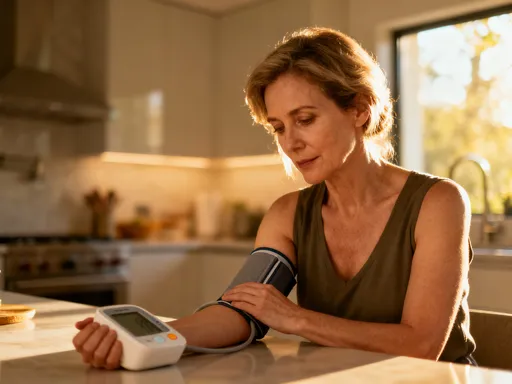
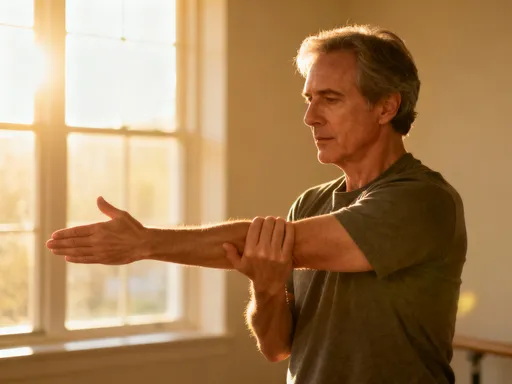
How I Tamed My Weight with Science-Backed Moves
Managing weight isn’t just about looks—it’s a core part of staying ahead of chronic diseases. I’ve been there: tired, stuck, and overwhelmed. But when I started using exercise strategies grounded in science, things shifted. It wasn’t magic—just consistent, smart movement. This is how real change begins, and why your daily routine might be the missing link. Weight management is not a short-term project; it’s a lifelong commitment to health. For many women in their 30s, 40s, and 50s, the challenge isn’t motivation—it’s knowing what truly works. Fads come and go, but science endures. This journey isn’t about shrinking into old jeans. It’s about gaining energy, confidence, and control over your health. And it starts with one simple truth: movement is medicine.
The Weight-Chronic Disease Connection
Excess weight is more than a number on the scale—it’s a significant risk factor for some of the most common chronic diseases affecting adults today. Carrying extra body fat, particularly around the abdomen, increases the likelihood of developing type 2 diabetes, high blood pressure, heart disease, and certain cancers. According to the World Health Organization, over 1.9 billion adults worldwide are overweight, and more than 650 million are classified as obese. These numbers are not just statistics—they represent real people facing real health challenges, many of which could be prevented or managed through sustainable lifestyle changes.
The biological connection between weight and disease is well established. Adipose tissue, especially visceral fat, is metabolically active and releases inflammatory substances that disrupt normal bodily functions. This chronic low-grade inflammation contributes to insulin resistance, a condition in which cells no longer respond effectively to insulin, leading to elevated blood sugar levels and eventually type 2 diabetes. Additionally, excess fat increases the workload on the heart, raises blood pressure, and alters cholesterol levels, all of which elevate the risk of cardiovascular disease. These processes often develop silently over years, which is why many women don’t realize they’re at risk until a diagnosis changes everything.
Here’s the hopeful part: even modest weight loss can lead to dramatic improvements in health. Research consistently shows that losing just 5 to 10 percent of body weight can significantly lower blood pressure, improve insulin sensitivity, reduce liver fat, and enhance overall metabolic health. For a woman weighing 180 pounds, that means a 9- to 18-pound loss could make a measurable difference in how she feels and functions every day. The goal isn’t perfection—it’s progress. And the most powerful tool for achieving it isn’t a miracle pill or extreme diet. It’s regular physical activity, supported by decades of scientific evidence.
Why Movement Trumps Quick Fixes
In a world obsessed with fast results, it’s easy to fall for promises of rapid weight loss through juice cleanses, meal replacements, or extreme calorie restriction. But history—and science—shows that these approaches rarely lead to lasting change. Most people who lose weight through fad diets regain it within a few years, often ending up heavier than before. The reason is simple: these methods don’t address the underlying habits and metabolic adaptations that contribute to weight gain. They may create a short-term deficit, but they don’t build sustainable health.
Physical activity, on the other hand, works differently. Exercise doesn’t just burn calories in the moment—it reshapes your body’s physiology over time. Regular movement improves insulin sensitivity, boosts metabolism, helps regulate appetite hormones like leptin and ghrelin, and increases muscle mass, which in turn raises resting metabolic rate. Unlike severe dieting, which can slow metabolism and lead to muscle loss, consistent exercise preserves lean tissue and enhances fat burning. Studies show that individuals who maintain long-term weight loss typically rely on physical activity as a cornerstone of their success, more so than dietary restriction alone.
Despite this, many women hesitate to start exercising, often due to common misconceptions. Some believe they don’t have enough time, but research indicates that even short bouts of activity—such as three 10-minute walks a day—can provide meaningful health benefits. Others feel they’re “too out of shape” to begin, yet exercise is scalable to every fitness level. Walking, water aerobics, and chair-based workouts are excellent starting points. The belief that “it won’t make a difference” is perhaps the most damaging myth. Science confirms that any movement is better than none, and small changes accumulate into major results over time. The key is consistency, not intensity.
The Science of Effective Exercise for Weight Control
Not all exercise is created equal when it comes to weight management. The most effective approach combines three key components: aerobic training, resistance exercise, and flexibility or mobility work. Each plays a unique role in supporting fat loss, preserving muscle, and improving metabolic health. Aerobic activities—such as brisk walking, cycling, or swimming—elevate heart rate and burn calories during the workout. But their benefits extend beyond the session itself. These exercises improve cardiovascular fitness, enhance lung capacity, and help regulate blood sugar, all of which support long-term weight control.
Resistance training, often overlooked by women concerned about “bulking up,” is essential for maintaining muscle mass as we age. After 30, adults lose 3 to 5 percent of muscle per decade, a process that accelerates with inactivity. Since muscle tissue burns more calories at rest than fat, preserving it is crucial for sustaining metabolism. Strength training two to three times per week—using body weight, resistance bands, or weights—can slow or even reverse this decline. It also improves bone density, reduces injury risk, and enhances functional strength for daily tasks like lifting groceries or playing with grandchildren.
Flexibility and mobility exercises, such as stretching or yoga, may not burn as many calories, but they support long-term adherence by reducing stiffness, improving posture, and preventing injury. They also promote body awareness and relaxation, which can reduce stress-related eating. Another important scientific concept is EPOC—excess post-exercise oxygen consumption—often called the “afterburn effect.” High-intensity interval training (HIIT) and strength training can elevate metabolism for hours after exercise, leading to additional calorie burn. However, consistency matters more than intensity. A moderate 30-minute walk five days a week delivers greater long-term results than sporadic intense workouts followed by burnout.
Building Your Personalized Movement Plan
One size does not fit all when it comes to exercise. The most effective movement plan is one that fits your lifestyle, preferences, and physical condition. Start by assessing your current fitness level. Can you walk for 10 minutes without discomfort? Do you have any joint issues or medical conditions that require modifications? Be honest with yourself—this isn’t about judgment, it’s about setting a realistic foundation. Next, consider your schedule. When are you most likely to stick with activity? Mornings before the household wakes up? During a lunch break? After dinner with family? Identifying your best time increases the odds of consistency.
A balanced weekly plan might include three days of moderate aerobic activity—such as 30 minutes of brisk walking or cycling—on non-consecutive days. Add two to three sessions of strength training, focusing on major muscle groups like legs, back, chest, and core. These can be done at home with minimal equipment: squats, lunges, push-ups against a wall, and planks are effective and accessible. Include flexibility work daily, even if only for 5 to 10 minutes—simple stretches for the neck, shoulders, and legs can make a noticeable difference. Don’t underestimate the value of light movement throughout the day: gardening, housework, or taking the stairs all contribute to your total activity.
Beginner-friendly options are abundant. Walking is one of the most studied and effective forms of exercise, requiring no special skills or gear. Swimming is gentle on joints and excellent for those with arthritis. Cycling, whether outdoors or on a stationary bike, builds endurance and leg strength. Bodyweight exercises can be done anywhere and adapted to any level. As you progress, gradually increase duration, frequency, or intensity. Celebrate non-scale victories: more energy, better sleep, looser clothes, or simply feeling stronger. These markers are often more meaningful than weight loss and provide motivation to keep going.
Making It Stick: Behavior Change That Works
Starting an exercise routine is one thing—sticking with it is another. The secret lies in behavior change strategies that support long-term adherence. One effective method is habit stacking: linking a new habit to an existing one. For example, if you always drink coffee in the morning, commit to a 10-minute stretch or walk right after. Another powerful tool is environmental design—making the desired behavior easier and obstacles harder. Lay out your workout clothes the night before. Keep resistance bands near your favorite chair. Park farther from the store entrance to add extra steps. These small changes reduce friction and make movement a natural part of your day.
Self-monitoring can also boost success. Keeping a simple journal or using a fitness app helps track progress and identify patterns. Did you feel more energized on days you walked? Did poor sleep affect your motivation? Awareness leads to better choices. But avoid obsession—this isn’t about perfection. Missed a day? That’s normal. The goal is consistency over time, not flawless execution. Focus on getting back on track, not on guilt or self-criticism. In fact, research shows that self-compassion is linked to greater long-term adherence to healthy behaviors.
Social support plays a crucial role. Exercising with a friend, joining a community class, or sharing goals with family increases accountability and makes the experience more enjoyable. Intrinsic motivation—doing something because it feels good, not because of external pressure—is more sustainable than relying on willpower alone. When you notice how movement improves your mood, confidence, or ability to keep up with your kids or grandkids, that becomes its own reward. Finally, avoid all-or-nothing thinking. You don’t have to do a full workout to “count” it. Ten minutes of movement still matters. Progress isn’t linear, and setbacks are part of the journey. What matters is your response: gentle redirection, not self-punishment.
Beyond the Scale: Health Gains You Can Feel
The benefits of regular exercise extend far beyond weight loss. Many women report improvements in blood pressure, blood sugar control, and cholesterol levels—even before significant weight changes occur. Movement helps the body use insulin more efficiently, reducing the risk of type 2 diabetes. It strengthens the heart and improves circulation, lowering the strain on blood vessels. Joint pain often decreases as muscles become stronger and better able to support movement. These are not abstract medical concepts—they translate into real-life improvements.
Imagine being able to climb a flight of stairs without getting winded. Playing with your children or grandchildren without needing to sit down after five minutes. Carrying groceries, gardening, or dancing at a family event with ease and joy. These moments matter. Exercise enhances sleep quality, which in turn supports hormonal balance and weight management. It sharpens mental clarity, reduces brain fog, and boosts emotional resilience. Physical activity increases endorphins and reduces cortisol, the stress hormone, leading to a calmer, more balanced mood.
For many women, the most profound change is a renewed sense of confidence and capability. Fitness isn’t about achieving a certain look—it’s about functioning well in your body and life. It’s about feeling strong, capable, and in control. These gains are often more lasting and meaningful than any number on the scale. And they compound over time: the more you move, the more you want to move. This creates a positive feedback loop that supports long-term health and well-being.
When to Seek Expert Guidance
While exercise is beneficial for nearly everyone, individual needs vary—especially for women with existing health conditions such as arthritis, heart disease, diabetes, or joint injuries. In these cases, professional guidance is not just helpful—it’s essential. Consulting a healthcare provider before starting a new program ensures that your approach is safe and appropriate for your medical history. A doctor can identify any limitations and recommend modifications to protect your health.
Certified fitness professionals, such as personal trainers or physical therapists, can design personalized plans that match your goals and abilities. They can teach proper form to prevent injury, suggest suitable exercises, and help you progress safely. For women new to strength training, this guidance is particularly valuable. A few sessions with a trainer can build confidence and prevent common mistakes. Many community centers, hospitals, and gyms offer programs tailored to middle-aged and older adults, focusing on balance, strength, and mobility.
Working with professionals also provides accountability and motivation. Knowing you have a scheduled session or a plan designed just for you increases commitment. And remember, seeking help isn’t a sign of weakness—it’s a sign of wisdom. This journey doesn’t have to be done alone. Support from experts, family, or community groups makes it safer, more effective, and more enjoyable. The goal is sustainable health, not heroics. With the right guidance, you can move forward with confidence and clarity.
Sustainable weight management isn’t about drastic overhauls. It’s built on small, science-driven choices that add up. Exercise isn’t punishment—it’s empowerment. By moving your body regularly and wisely, you’re not just managing weight; you’re investing in a healthier, more vibrant life. Start where you are, use what you have, and let science light the way.