How I Beat Stress Fast — My Go-To Moves for a Calmer Mind
Ever feel overwhelmed and just need to hit pause? I’ve been there—racing thoughts, tight chest, zero focus. What changed? A few simple, science-backed movement habits I now use daily. No gym required, no hours needed. Just real, fast-acting tools that actually calm your nervous system. If you’re tired of overthinking and want to feel more in control, this is for you. These aren’t grand gestures or extreme lifestyle changes. They’re small, intentional movements that signal safety to your brain, reset your stress response, and bring your mind back into balance. In a world that never stops demanding more, these practices became my quiet rebellion—a way to reclaim peace in the middle of chaos.
The Mental Clutter Crisis – Why Quick Relief Matters
Modern life moves fast, and so do our minds. Between constant notifications, endless to-do lists, and the pressure to be always available, it’s no wonder so many people feel mentally overwhelmed. This isn’t just about being busy—it’s about the cumulative effect of low-grade, persistent stress that wears down focus, mood, and even physical health. When the mind is cluttered, decision-making slows, emotional resilience drops, and simple tasks begin to feel exhausting. This state of chronic mental fatigue isn’t just uncomfortable; it’s a risk factor for long-term issues like anxiety, poor sleep, and weakened immunity.
What’s often missing in the conversation about stress is the need for immediate relief. While long-term strategies like therapy or mindfulness are valuable, they don’t help in the moment when your heart is racing and your thoughts are spiraling. That’s where fast, accessible tools become essential. Movement—especially brief, intentional physical acts—can serve as an instant reset. Unlike waiting for a meditation app to guide you or scheduling a therapy session weeks in advance, movement is something you can do right now, wherever you are.
The key lies in understanding the mind-body connection. Your brain doesn’t just control your body—it listens to it. When your body moves in certain ways, it sends signals to the brain about your current state. Slow, rhythmic motion tells the brain, “We’re safe.” Tense, frozen postures signal danger. By choosing movements that promote openness, release, and flow, you’re essentially sending a message to your nervous system that it can stand down from high alert. This isn’t about fixing everything at once. It’s about creating brief moments of calm that allow you to respond to life more clearly, rather than react from stress.
Why Movement Works Faster Than You Think
Many people assume that to get the mental benefits of physical activity, they need to exercise for 30 minutes or more. But research shows that even short bursts of movement can have an immediate impact on mood and stress levels. The reason lies in the biology of stress. When you’re under pressure, your body releases cortisol, a hormone that prepares you for action. While useful in short bursts, elevated cortisol over time contributes to anxiety, fatigue, and difficulty concentrating. Physical activity helps regulate this system by reducing cortisol and increasing endorphins—natural chemicals that promote feelings of well-being.
Another critical player is the vagus nerve, a major component of the parasympathetic nervous system, which governs the body’s ability to relax and recover. Rhythmic, gentle movements—like swaying, stretching, or shaking—can stimulate the vagus nerve, helping shift the body from “fight or flight” to “rest and digest.” This doesn’t require intense effort. In fact, slow, mindful motion is often more effective than vigorous exercise when the goal is calming the mind.
Compared to other stress-relief methods, movement offers a unique advantage: speed. Therapy is invaluable for long-term healing, and medication can be necessary for some, but neither provides instant relief. Movement, on the other hand, works in real time. Studies have shown that even 60 seconds of intentional motion can alter brainwave patterns, lower heart rate, and improve emotional regulation. The beauty of it is accessibility—no equipment, no special training, no cost. Just your body and a few seconds of attention.
This isn’t about replacing deeper forms of care. It’s about having a toolkit for the moments between. When you’re stuck in traffic, facing a tight deadline, or lying awake at 2 a.m., you don’t need a long-term solution—you need a quick intervention. Movement offers that. It’s a bridge from overwhelm to clarity, available whenever you need it.
The 3-Minute Rule: My Fast-Track Routine for Instant Calm
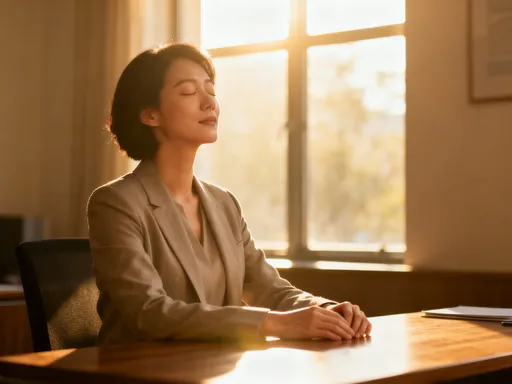
One of the biggest barriers to managing stress is the belief that it takes time. People think they need a full yoga session, a meditation retreat, or an hour-long workout to feel better. But what if relief could fit into the time it takes to brew a cup of tea? That’s the idea behind the 3-Minute Rule—a simple, repeatable sequence of micro-movements designed to interrupt stress and restore calm. The routine takes exactly three minutes and can be done standing in your kitchen, at your desk, or even in a bathroom stall if needed.
The sequence follows a natural progression: shake it out, stretch it up, breathe it through. Each step builds on the last, targeting a different aspect of the stress response. Shaking releases physical tension stored in the muscles. Stretching opens the body’s posture, which influences how the brain interprets emotional state. Breathing ties it all together, regulating the nervous system through rhythmic, coordinated breath. Together, they create a powerful trifecta of relief.
I developed this routine during a particularly high-pressure period at work. Deadlines were piling up, and I found myself reacting to small issues with disproportionate frustration. One afternoon, after a tense meeting, I stepped into an empty conference room and tried shaking my arms like I’d seen animals do after a scare. It felt silly at first, but within seconds, my shoulders relaxed. I followed with a simple stretch, reaching my arms overhead, and then focused on my breath. By the time three minutes had passed, my mind was quieter, my chest felt looser, and I could think clearly again.
Since then, I’ve used this routine daily—before important calls, after difficult conversations, and even first thing in the morning to set a calm tone for the day. It’s not a cure-all, but it’s a reliable reset. The beauty of the 3-Minute Rule is that it doesn’t require motivation. You don’t need to feel like doing it. You just need to do it. And once you do, the results speak for themselves.
Shake It Out – Reset Your Nervous System in 60 Seconds
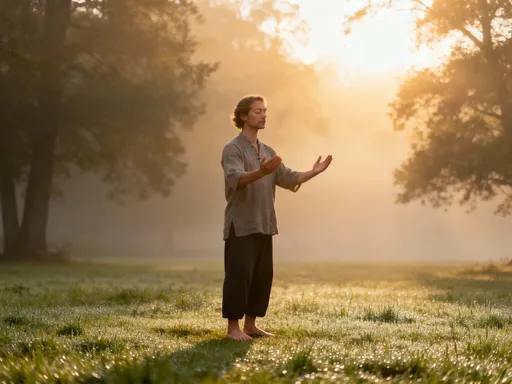
Shaking may seem unusual, even childish, but it’s one of the most effective ways to discharge stress from the body. Watch any animal in the wild after a threatening encounter, and you’ll see them tremble or shake before returning to normal activity. This is a natural physiological response—a way to release the surge of energy that prepared them for survival. Humans have the same capacity, but we often suppress it, holding tension in our muscles instead of letting it go.
The practice is simple: stand with your feet shoulder-width apart and begin to gently shake your arms, as if you’re trying to dry off water. Let your hands and forearms wiggle loosely. After 20 seconds, shift to your legs, shaking your knees and letting your calves bounce. You can add a slight bounce in your step to engage your whole body. Keep your breath natural—don’t force it. The goal isn’t to look a certain way; it’s to let go of stored tension.
Biologically, shaking activates the proprioceptive system, which helps the brain map the body’s position in space. This input signals that movement is voluntary and safe, helping deactivate the stress response. It also increases blood flow to tight muscles and encourages the release of neuromuscular tension. Many people report feeling a wave of warmth or tingling afterward—a sign that the nervous system is recalibrating.
Timing matters. Shaking is most effective when done shortly after a stressful event—before the tension settles in. Use it after an argument, before a presentation, or even upon waking if you tend to start the day with a racing mind. It’s discreet enough to do in private spaces, and with practice, it becomes a natural reflex. Over time, you may notice that you hold less physical tension overall, making you less reactive to daily stressors.
Stretch It Up – Open Your Body, Clear Your Mind
Posture isn’t just about appearance—it’s deeply linked to mental state. When you’re stressed, your body naturally contracts: shoulders hunch forward, chest collapses, head drops. This closed posture feeds the brain’s perception of threat, reinforcing feelings of anxiety and helplessness. Conversely, open, upright postures signal confidence and safety, even if you don’t initially feel that way. This is known as embodied cognition—the idea that the body influences the mind as much as the mind influences the body.
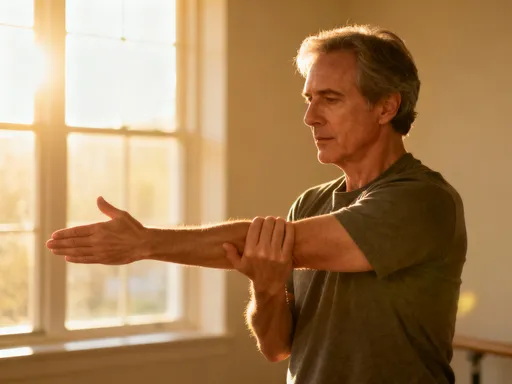
Two simple stretches can counteract the physical effects of stress. The first is the upward reach: stand tall, inhale, and slowly raise your arms overhead, reaching toward the ceiling. Keep your shoulders relaxed and your gaze forward. Hold for 30 to 60 seconds, breathing deeply. This stretch opens the front of the body, counteracting the forward slump of desk work or phone use.
The second is the chest opener: stand in a doorway, place your forearms on the frame at shoulder height, and gently lean forward until you feel a stretch across your chest and shoulders. Again, hold for 30 to 60 seconds. This directly targets the pectoral muscles, which tighten under stress and restrict breathing.
These stretches do more than improve flexibility. They change your internal state. As the chest opens, breathing becomes easier, which signals safety to the brain. The act of reaching upward creates a sense of expansion, countering the constriction of anxiety. Many people report feeling more alert, hopeful, or even lighter after just one round. The key is consistency—using these stretches not just when you’re overwhelmed, but as part of a daily rhythm to maintain mental clarity.
Breathe It Through – The Missing Link in Fast Stress Relief
Movement and breath are inseparable when it comes to calming the mind. While physical motion primes the nervous system for relaxation, breath is the direct dial to your internal state. Your heart rate, blood pressure, and brain activity all respond to the rhythm of your breathing. When breath is shallow and rapid, the body stays in alert mode. When breath is slow and deep, it signals safety, triggering a cascade of calming responses.
The most effective breathing during movement is coordinated and natural. As you stretch upward, inhale slowly through the nose, allowing your lungs to fill fully. As you release the stretch, exhale gently through the mouth, letting tension flow out. This isn’t about forcing breath or holding it for long counts. It’s about syncing breath with motion in a way that feels organic and soothing.
Many people make the mistake of overcomplicating breathwork, trying advanced techniques that require focus they don’t have in the moment. But simplicity is more powerful. A natural, rhythmic breath—slightly longer on the exhale—can lower heart rate within seconds. When combined with movement, the effect is amplified. Shaking and stretching prepare the body; breath seals the reset.
Think of breath as the conductor of your nervous system. It doesn’t work alone, but it guides everything else. By paying attention to it during movement, you deepen the impact of each action. Over time, this practice builds resilience—not just in the moment, but in your overall capacity to stay calm under pressure.
Making It Stick – Building a Habit Without the Hustle
Knowing what to do is one thing; doing it consistently is another. The biggest obstacles aren’t lack of time or space—they’re habit and mindset. People often wait to feel stressed before acting, but by then, the nervous system is already overwhelmed. The goal is to build a routine that’s so simple and integrated that it becomes automatic.
Start by linking the 3-Minute Rule to existing habits. Do it after brushing your teeth, before your first sip of coffee, or right after hanging up a phone call. These environmental cues make the practice easier to remember. You don’t need motivation—you just need a trigger.
Another key is tracking subtle wins. You may not notice dramatic changes at first, but over time, you’ll catch yourself pausing before reacting, feeling more focused during tasks, or sleeping more soundly. These small shifts are signs that the practice is working. Celebrate them quietly. They’re proof that small efforts compound.
Finally, let go of perfection. Some days you’ll do the full three minutes. Other days, you might only shake your arms for 20 seconds. That’s enough. Consistency matters more than intensity. The goal isn’t to perform—it’s to care for yourself in real time. When you treat movement as mental maintenance, not performance, it becomes sustainable. And sustainability is what leads to lasting calm.
This isn’t about perfection or performance. It’s about giving yourself quick, kind tools to reclaim your headspace. Movement isn’t just for fitness—it’s mental maintenance. Start small, stay consistent, and watch your inner calm grow. Your mind will thank you.