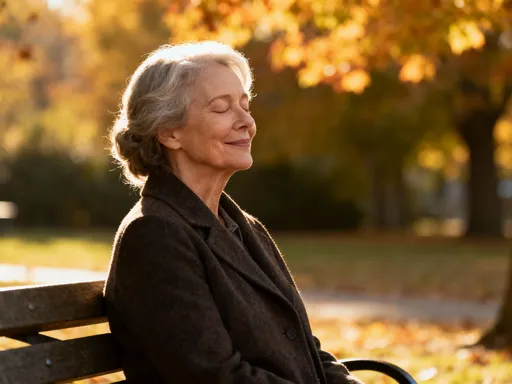
How I Slowed My Aging with Just Mindset Shifts
Aging isn’t just about wrinkles or gray hair—it’s deeply tied to how we think and feel every day. I used to worry constantly about getting older, until I discovered that psychological habits play a huge role in how we age. What if small mental shifts could actually help you feel younger? This is not about quick fixes, but real, science-backed ways to support healthy aging from the inside out. Research increasingly shows that our thoughts, emotions, and daily mental patterns influence not only how we experience aging but also how our bodies age on a biological level. The mind is not separate from the body—it is a powerful regulator of physical health, cellular repair, and long-term vitality.
The Hidden Link Between Mindset and Aging
One of the most compelling discoveries in aging research is the strong connection between how old you feel and how long—and how well—you live. Scientists refer to this as “subjective age” or “felt age,” and numerous studies have found that people who feel younger than their chronological age tend to have better physical health, sharper cognitive function, and even longer lifespans. A landmark study published in the journal Psychology and Aging followed thousands of older adults over several years and found that those who felt significantly younger than their actual age had a lower risk of death, even after controlling for medical conditions and lifestyle factors. This suggests that perception itself may be a protective factor in aging.
But why does this happen? The answer lies in the mind-body connection. When someone identifies strongly with youthfulness, energy, and capability, their brain reinforces behaviors and physiological responses that support those states. Conversely, when a person internalizes the belief that aging means decline, helplessness, or irrelevance, their body often follows suit. This phenomenon is known as “stereotype embodiment theory,” which posits that cultural beliefs about aging become part of our self-concept and then influence our health through behavioral, psychological, and biological pathways. For example, individuals who hold negative views about aging are more likely to avoid physical activity, delay medical care, and experience higher levels of stress—all of which accelerate aging.
Moreover, neuroplasticity—the brain’s ability to reorganize and form new neural connections throughout life—means that mindset is not fixed. Even in later decades, the brain can adapt, learn, and strengthen based on experience and thought patterns. This gives every person the opportunity to reshape their relationship with aging. Instead of seeing it as an inevitable slide into frailty, one can begin to view it as a phase of continued growth, wisdom, and contribution. That shift alone can alter hormone levels, immune function, and motivation to stay active. The key is awareness: recognizing that your thoughts about aging are not neutral—they are active participants in the process itself.
Why Stress Ages You Faster Than You Think
Chronic stress is one of the most potent accelerators of biological aging, often operating silently beneath the surface. Unlike acute stress, which is temporary and sometimes beneficial, chronic stress persists over months or years, keeping the body in a constant state of alert. This prolonged activation triggers the overproduction of cortisol, the primary stress hormone, which in excess can damage tissues, suppress immune function, and disrupt metabolic balance. Over time, these changes contribute to visible signs of aging such as thinning skin, weight gain around the abdomen, and fatigue, but they also affect deeper systems including the cardiovascular, nervous, and endocrine systems.
One of the most significant findings in modern biology is the link between stress and cellular aging, particularly through a structure called the telomere. Telomeres are protective caps at the ends of chromosomes that shorten each time a cell divides. When telomeres become too short, cells can no longer replicate and enter a state of senescence or die—a process closely associated with aging and age-related diseases. Nobel Prize-winning research by Dr. Elizabeth Blackburn and Dr. Elissa Epel demonstrated that women under high levels of chronic psychological stress had significantly shorter telomeres than those with lower stress, equivalent to at least one decade of accelerated cellular aging. Importantly, it wasn’t the presence of stressors alone that mattered, but how individuals responded to them emotionally and cognitively.
Daily life is full of subtle stressors that accumulate over time—rushing to meet deadlines, worrying about family well-being, managing household responsibilities, or feeling overwhelmed by change. These may seem minor in isolation, but when met with persistent anxiety or helplessness, they take a cumulative toll. The body does not distinguish between emotional and physical threats; it reacts to perceived danger with the same fight-or-flight response. Over decades, this constant arousal leads to systemic inflammation, oxidative stress, and impaired tissue repair—hallmarks of premature aging. The good news is that changing one’s mental response to stress can mitigate these effects. Practices that promote emotional regulation, such as mindfulness, cognitive reframing, and social support, have been shown to protect telomere length and improve resilience.
Rewriting Your Inner Dialogue: From “I’m Getting Old” to “I’m Growing Stronger”
The way we speak to ourselves matters more than many realize. Internal dialogue—those quiet, ongoing thoughts we have about ourselves and our lives—shapes our emotional state, behavior, and even our physiology. When someone repeatedly says, “I’m too old for this,” “My memory is failing,” or “I can’t keep up anymore,” they are not just expressing frustration; they are reinforcing neural pathways that make those beliefs feel true. Negative self-talk becomes a self-fulfilling prophecy, leading to reduced effort, avoidance of challenges, and diminished confidence in one’s abilities.
Cognitive science shows that the brain responds to language with real physiological changes. Hearing or thinking critical words activates regions associated with threat and pain, while positive, empowering language stimulates areas linked to motivation, reward, and problem-solving. This means that shifting from defeatist statements to growth-oriented ones isn’t just feel-good advice—it’s a form of mental hygiene that supports long-term health. For example, replacing “I’m getting old” with “I’m growing wiser and stronger” redirects attention from loss to gain, from limitation to capacity. This kind of cognitive reframing doesn’t deny reality; it changes the interpretation of it, which in turn influences how the body responds.
One effective technique is the use of positive affirmations—short, present-tense statements that reflect desired mindsets. Phrases like “I am capable,” “I adapt with ease,” or “My body supports me every day” can gradually reshape self-perception when repeated consistently. Writing them down, saying them aloud in the mirror, or pairing them with breathing exercises enhances their impact. Another powerful method is thought challenging: when a negative thought arises, pause and ask, “Is this thought accurate? Is it helpful? What would I say to a dear friend in this situation?” This practice builds self-compassion and weakens the grip of automatic negativity. Over time, these small mental corrections accumulate, leading to a more resilient, optimistic outlook—one that science shows is linked to better health outcomes and slower aging.
The Power of Purpose in Staying Young at Heart
Having a strong sense of purpose in life is one of the most robust predictors of healthy aging. Studies from institutions like the Rush Alzheimer’s Disease Center have found that older adults with a clear sense of purpose experience slower cognitive decline, reduced risk of heart disease, and greater overall longevity. Purpose doesn’t require grand achievements or public recognition; it simply means feeling that your life has meaning, that your actions matter, and that you are contributing to something beyond yourself. Whether it’s raising grandchildren, volunteering, pursuing a creative hobby, or mentoring others, purpose provides a psychological anchor that buffers against stress and fosters resilience.
On a neurological level, purpose activates brain networks involved in motivation, planning, and emotional regulation. It gives the mind a reason to stay engaged, curious, and active—qualities that help maintain cognitive flexibility and memory. People with high purpose are more likely to engage in health-promoting behaviors such as regular exercise, balanced eating, and routine medical check-ups, not because they are disciplined, but because they value their well-being as a means to continue living meaningfully. In contrast, those who feel aimless or disconnected often fall into patterns of neglect, both physically and mentally, which accelerates decline.
Rediscovering or strengthening purpose at any age is entirely possible. Start by reflecting on what brings joy, what feels meaningful, and what activities make time seem to disappear. Consider past roles or experiences where you felt deeply fulfilled—what elements were present? Often, purpose emerges from connection: to family, community, nature, or personal values. Small, intentional actions can reignite it—joining a local group, learning a new skill to help others, or simply committing to daily acts of kindness. The goal is not to find a single, lifelong mission, but to cultivate a mindset of contribution and engagement. When you wake up each day knowing that your presence makes a difference, even in quiet ways, you activate a powerful anti-aging force within.
Gratitude as a Daily Anti-Aging Practice
Gratitude is far more than a mood booster—it is a transformative mental practice with measurable effects on physical health. Regularly acknowledging what you appreciate, whether big or small, shifts the brain’s focus from scarcity to abundance, from threat to safety. This shift reduces activity in the amygdala, the brain’s fear center, and increases activity in the prefrontal cortex, which governs rational thinking and emotional regulation. As a result, gratitude lowers stress hormones, improves sleep quality, and enhances overall emotional well-being—all of which contribute to slower biological aging.
Multiple studies have demonstrated the physiological benefits of gratitude. Research from the University of California, San Diego, found that participants who kept a gratitude journal for just two weeks reported better sleep, reduced fatigue, and lower levels of inflammatory biomarkers compared to a control group. Inflammation is a key driver of aging and chronic disease, so any practice that reduces it is inherently protective. Other studies have linked gratitude to improved heart rate variability, a sign of cardiovascular resilience, and increased production of dopamine and serotonin, neurotransmitters associated with pleasure and contentment.
Incorporating gratitude into daily life does not require large time commitments. A simple yet powerful habit is writing down three things you are grateful for each day—anything from a warm cup of tea to a kind word from a neighbor. The act of recording reinforces neural pathways associated with positivity and memory. Alternatively, you can practice mental reflection before bed, silently acknowledging moments of beauty, connection, or comfort from the day. The key is consistency, not quantity. Over time, the brain begins to scan the environment for things to appreciate rather than threats, creating a lasting shift in emotional tone. This positive baseline makes it easier to cope with challenges and maintain energy and optimism—essential ingredients for graceful aging.
Mindfulness and the Art of Staying Present
Mindfulness—the practice of paying attention to the present moment without judgment—has emerged as a cornerstone of mental and physical well-being. In the context of aging, its value lies in breaking the cycle of rumination about the past and anxiety about the future. Many fears about growing older stem from mental projections: “What if I lose my independence?” “Will I be a burden?” “Will I forget who I am?” These thoughts, while understandable, activate stress responses that accelerate aging. Mindfulness brings awareness back to the here and now, where, in most cases, things are manageable, safe, and even peaceful.
Scientific evidence supports mindfulness as a tool for preserving brain health. Long-term practitioners show increased gray matter density in areas related to learning, memory, and emotional regulation. Mindfulness-Based Stress Reduction (MBSR), a structured program developed at the University of Massachusetts, has been shown to reduce cortisol levels, improve immune function, and even slow telomere shortening. These benefits are not limited to formal meditation; everyday mindfulness—such as savoring a meal, listening fully in conversation, or noticing the sensation of walking—can produce similar effects when practiced regularly.
Getting started with mindfulness can be simple. Begin with breath awareness: sit quietly and focus on the natural rhythm of your breathing for just five minutes a day. When your mind wanders—and it will—gently return your attention to the breath without criticism. This act of returning, not perfection, is the essence of the practice. Body scans, where you mentally move attention through different parts of the body, help reconnect with physical sensations and release stored tension. Over time, mindfulness cultivates a deeper sense of acceptance and presence, reducing the mental struggle against aging and fostering a calmer, clearer mind. It doesn’t stop time, but it changes your relationship with it.
Building a Sustainable Mental Routine for Long-Term Youthfulness
The journey to feeling younger is not about dramatic overhauls, but about consistent, small mental habits practiced over time. No single strategy works in isolation; the power lies in integration. A sustainable mental routine combines awareness, intention, and action. Start by identifying which of the discussed practices resonate most—perhaps gratitude journaling feels natural, or mindfulness comes easily. Begin with one or two techniques, dedicating just five to ten minutes a day. Consistency matters far more than duration; daily practice strengthens neural pathways, making positive thinking and emotional balance increasingly automatic.
Personalization is key. Some may find strength in affirmations spoken each morning, while others prefer evening reflection on moments of purpose or connection. The goal is not to add stress through rigid routines, but to create gentle structures that support well-being. Pairing mental practices with existing habits can enhance adherence—say a gratitude thought while brushing your teeth, or practice mindful breathing while waiting for the kettle to boil. Over time, these micro-moments accumulate into a resilient, youthful mindset.
It’s also important to track progress not by appearance, but by inner experience. Are you calmer under pressure? Do you recover from setbacks more quickly? Do you find joy in ordinary moments? These are signs of successful mental aging. Remember, the aim is not to deny the reality of aging, but to engage with it from a place of strength, wisdom, and grace. By nurturing your mind with intention, you support your body in kind. True youthfulness is not the absence of years, but the presence of vitality, clarity, and peace. And that is a state available at any age, to anyone willing to begin.
True anti-aging doesn’t start in a skincare bottle—it starts in the mind. By reshaping how we think, respond, and relate to ourselves, we gain real power over how we age. These mental tools aren’t magic, but they’re transformative when practiced consistently. The journey to feeling younger isn’t about reversing time, but about living with greater peace, purpose, and presence—every single day.